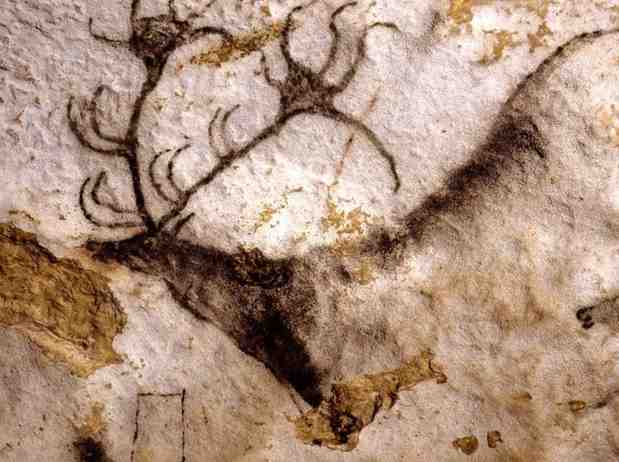
Lascaux Cave Paintings: Prehistoric Masterpieces of Upper Palaeolithic France
In September 1940, four teenagers stumbled upon one of the most remarkable archaeological discoveries of the twentieth century — the Lascaux Cave in southwestern France. Eighteen-year-old Marcel Ravidat, while searching for his dog near Montignac in the Dordogne region, uncovered a concealed cavern whose walls displayed extraordinary prehistoric paintings dating back nearly 17,000 years.
Discovery and Early Exploration
After the initial find, Ravidat returned with Jacques Marsal, Georges Agnel and Simon Coencas. They expanded the entrance and documented extensive wall art across multiple chambers. Local teacher Léon Laval alerted archaeologist Henri Breuil, who authenticated the paintings as Upper Palaeolithic in origin.
The cave contains over 2,000 images and nearly 6,000 painted or engraved figures across nine sections, including the Hall of the Bulls, the Nave and the Shaft.
Magdalenian Artistic Achievement
The paintings are attributed to the Magdalenian culture of the Upper Palaeolithic period (17,000–19,000 years ago). Subjects include horses, aurochs, deer, ibex and felines, many rendered in motion with striking anatomical precision. Some figures extend beyond six feet in length.
Artists employed natural pigments such as ochre, charcoal, manganese oxide and hematite. Archaeological evidence indicates the use of scaffolding and oil lamps, reflecting technical sophistication and organised execution.
Conservation and Replication
Opened to visitors in 1948, the cave suffered environmental degradation from humidity and carbon dioxide, leading to its closure in 1963. To preserve the original site, France developed replicas: Lascaux II (1983), travelling exhibits under Lascaux III, and the technologically advanced Lascaux IV (2016).
Important Facts for Exams
-
Lascaux Cave is located in Dordogne, France.
-
Dates to the Upper Palaeolithic Magdalenian culture.
-
Discovered in 1940 during World War II.
-
Uses natural mineral pigments such as ochre and charcoal.
Interpretative Debates
The purpose of the artwork remains debated. The deep cave placement and artificial lighting requirements suggest ritualistic or symbolic significance. The enigmatic Shaft scene — depicting a wounded bison and a bird-headed human figure — continues to inspire scholarly interpretation regarding prehistoric belief systems.
Month: Current Affairs - February 27, 2026
Category: Ancient History | Prehistoric Art