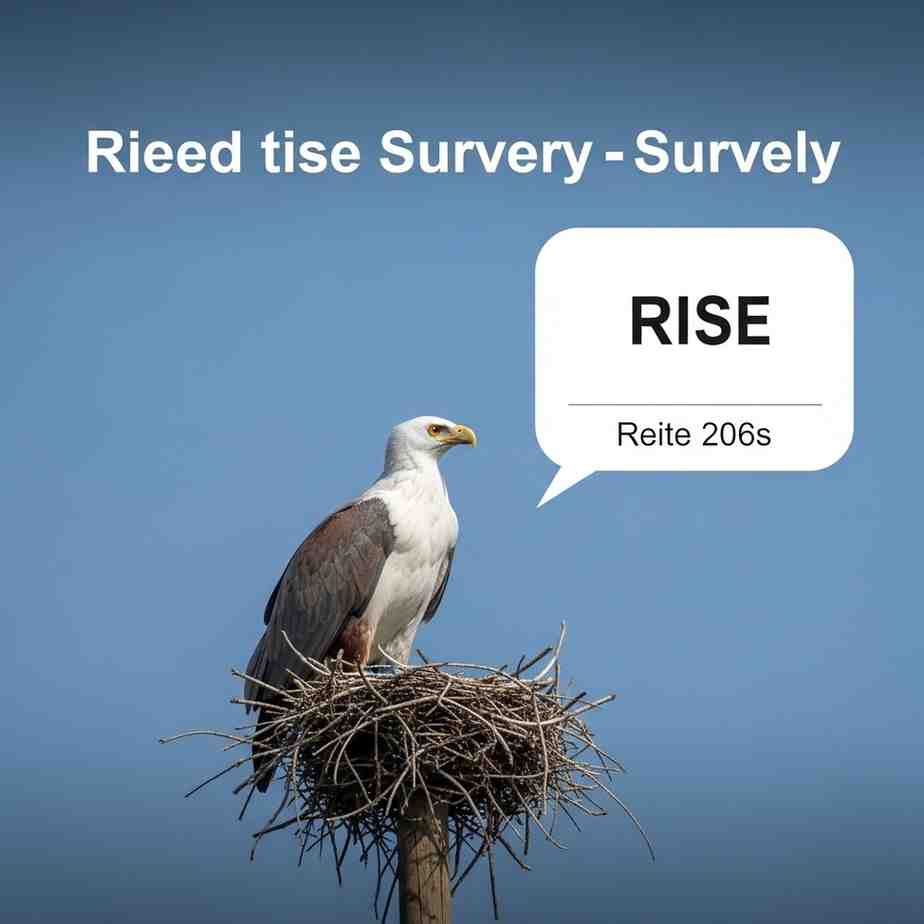
Kannur–Kasaragod Monitoring Highlights Sea Eagle Habitat Trends
The annual nest monitoring survey of the White-bellied Sea Eagle has identified 17 active nesting sites across Kannur and Kasaragod districts, reflecting a moderate increase from 13 nests recorded in 2024. The survey was jointly undertaken by the Malabar Awareness and Rescue Centre for Wildlife (MARC) and the Social Forestry Divisions of both districts.
District-wise Nesting Pattern
Of the 17 active nests documented, 10 were located in Kasaragod district and seven in Kannur. All nests in Kasaragod were categorised as previously known structures, while Kannur reported four newly recorded nests alongside three older ones.
A significant observation was that nearly 70% of Kasaragod’s nests were found within temple compounds. In Kannur, nests were distributed across a mix of landscapes, including public lands, private properties and coastal regions. Notably, a nest was recorded for the first time on a telephone tower at Kattampally, suggesting behavioural adaptability amid changing habitat conditions.
Habitat Preferences and Tree Selection
The survey revealed a preference for tall, mature trees capable of supporting large nests:
-
Ficus religiosa → 4 nests
-
Mangifera indica → 6 nests
-
Alstonia scholaris → 2 nests
-
Casuarina species → 3 nests
Officials emphasised that conserving large trees in populated and coastal zones is critical for sustaining breeding populations.
Conservation Concerns and Historical Comparison
Despite the rise, current nesting numbers remain below historical benchmarks. Surveys conducted in 1996 recorded 25 active nesting sites, indicating that the regional population has yet to fully recover.
The White-bellied Sea Eagle breeds between January and March and typically reuses nests annually, reinforcing the importance of preserving established nesting trees.
Exam-Focused Points
-
White-bellied Sea Eagle → Apex predator in coastal ecosystems
-
Indicator species → Reflects marine and coastal health
-
Kerala distribution → Primarily Kannur & Kasaragod
-
Breeding cycle → January–March; nests reused yearly
Role of Community Participation
Researchers highlighted that tree felling remains a major threat. Conservation agencies have urged residents to report additional nesting sites to strengthen monitoring and ensure long-term protection.
Month: Current Affairs - February 17, 2026
Category: Environment & Ecology