India–Bangladesh Reopen Dialogue on Ganga Waters
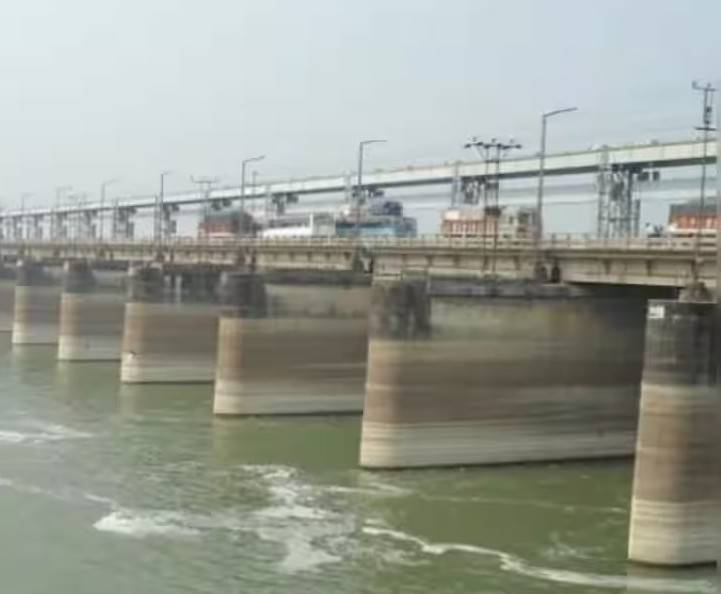
India and Bangladesh have formally initiated discussions to renew the Ganga Water Sharing Treaty , which is set to expire in December 2026, thirty years after it was signed. The renewed engagement marks a sensitive phase in bilateral relations as both countries reassess hydrological realities, climate pressures and political considerations linked to one of South Asia’s most critical transboundary river agreements.
Background of the 1996 Ganga Water Sharing Treaty
The treaty, signed in 1996 between India and Bangladesh, established a framework for sharing dry-season flows of the Ganga at the Farakka Barrage . It addressed long-standing Bangladeshi concerns over reduced downstream water availability during lean months and became a cornerstone of improved bilateral trust and water diplomacy.
Joint Hydrological Measurements Underway
As part of the renewal process, both sides have begun joint measurements of water levels in the Ganga and Padma rivers at ten-day intervals until May 31. Technical teams from India’s Central Water Commission and Bangladesh’s water resources agencies are stationed in each other’s territories to ensure transparency, data sharing and coordinated assessment of seasonal flows.
Strategic and Political Sensitivities
Water measurements are being conducted near the Hardinge Bridge on the Padma in Bangladesh and at the Farakka point in India. Dhaka has sought enhanced security for Indian officials amid domestic political volatility and rising nationalist sentiment, underlining the political sensitivity surrounding river-water issues.
Important Facts for Exams
-
Ganga Water Sharing Treaty was signed in 1996 for a 30-year period
-
India and Bangladesh share 54 transboundary rivers
-
Farakka Barrage was commissioned in 1975
-
Water issues are coordinated through the Indo-Bangladesh Joint River Commission
Month: Current Affairs - January 03, 2026
Category: Geography – Water Resources