Reviving the Spice Routes: Kerala’s Heritage Diplomacy and Cultural Tourism Push
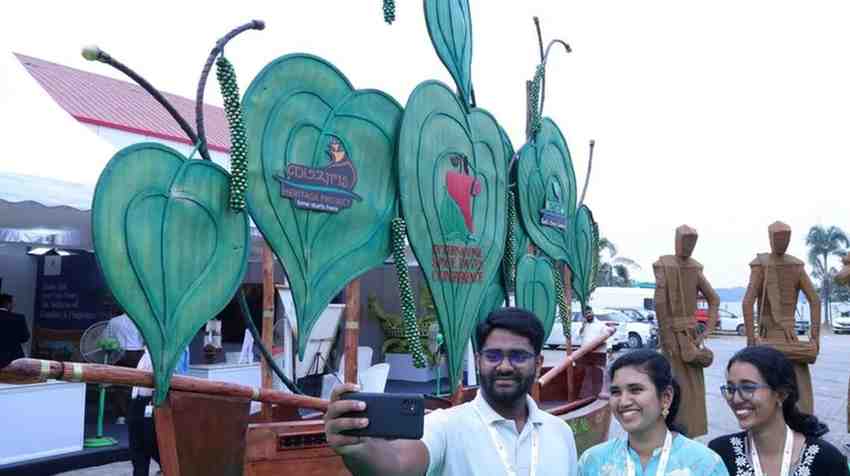
Kerala has launched an ambitious cultural tourism and research initiative to revive the historic Spice Routes that once connected the Malabar Coast with global markets and civilisations. The announcement was made during the inaugural three-day International Spice Routes Conference held in Kochi , marking a significant step in the state’s heritage diplomacy and experiential tourism strategy.
Revisiting the Global Legacy of the Spice Trade
The conference, themed “Ancient Trails, New Journeys” , explored lesser-known dimensions of the global spice economy. Scholars highlighted how spices from Kerala shaped fiscal systems and trade networks across continents. In medieval Europe, pepper was taxed as a luxury commodity, while in the 19th century, Bombay served as a financial stabiliser for clove trade fluctuations linked to Zanzibar. These narratives reaffirmed Kerala’s pivotal role in the Indian Ocean trading world.
International Spice Routes Heritage Network
At the event, Kerala formally announced the International Spice Routes Heritage Network , envisaged as a collaborative platform for countries historically connected through maritime spice trade. The network will focus on joint research, heritage conservation, archaeology, museum development and archival documentation. Kerala Tourism Minister P A Mohamed Riyas noted that the spice routes carried not just commodities like pepper and cinnamon, but also ideas, beliefs, technologies and cultural practices that reshaped societies across regions.
Muziris Heritage Project and ‘Spice Journeys’
As part of the initiative, the Muziris Heritage Project unveiled 33 immersive heritage trails , branded as ‘spice journeys’ . These curated routes combine history, storytelling and cuisine. Notable trails include Fort Kochi’s “A Queen’s Story” , centred on colonial spice trade narratives, and the Tyndis Thalassery Heritage and Spice Coast Walk in north Kerala, highlighting maritime and cultural exchanges.
People, Migration and Living Traditions
Research sessions also examined historic and modern migration along spice routes, including links between Kerala and Gulf countries. Exhibitions showcased migrant histories and living cultural forms such as Chavittunatakam , a Portuguese-era dance-drama now witnessing revival. Together, these efforts position Kerala as a global hub for high-value, culturally immersive tourism rooted in living heritage.
Important Facts for Exams
-
Ancient Spice Routes linked Kerala with Europe, West Asia and East Africa
-
Pepper was taxed as a luxury in medieval Europe
-
Muziris is associated with Indo-Roman maritime trade
-
Indian Ocean trade enabled cultural and technological exchange beyond commerce
Month: Current Affairs - January 07, 2026
Category: Art & Culture | Tourism