Major step towards vaccine self-reliance
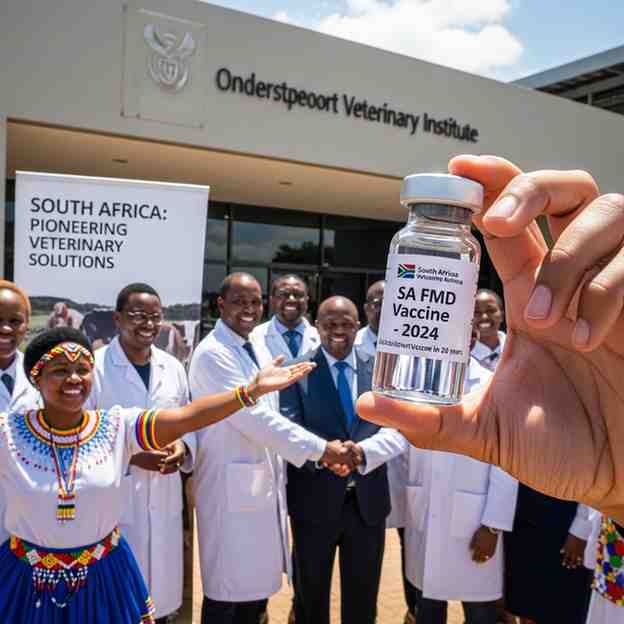
South Africa has begun the rollout of its first domestically manufactured vaccine for foot-and-mouth disease (FMD) in nearly two decades, marking a turning point in national animal disease management. The announcement was made by the Department of Agriculture, highlighting a renewed focus on local capacity, biosecurity, and proactive disease prevention.
Breakthrough led by national research institutions
The vaccine has been developed by the Agricultural Research Council (ARC), a key public research institution. An initial batch of 12,900 doses has already been produced, with authorities confirming that weekly output is expected to rise to about 20,000 doses by March. Distribution plans prioritise livestock in high-risk and outbreak-prone regions.
Cutting import dependence and rebuilding export credibility
Agriculture Minister John Steenhuisen said the initiative would significantly reduce reliance on imported vaccines, which often face supply delays and biosecurity risks. A major objective of the programme is to help South Africa restore its FMD-free status recognised by the World Organisation for Animal Health , a prerequisite for unrestricted livestock and meat exports.
Shift towards preventive, science-led disease control
Officials described the rollout as part of a broader transition from reactive outbreak response to preventive, science-driven disease management. Foot-and-mouth disease spreads rapidly among cloven-hoofed animals and imposes heavy economic costs through production losses, livestock movement bans, and trade restrictions. Sustained vaccination coverage is seen as critical to protecting farmers’ livelihoods and ensuring food system stability.
Important Facts for Exams
-
Foot-and-mouth disease affects cloven-hoofed animals such as cattle, sheep, goats, and pigs
-
FMD outbreaks lead to trade bans and major economic losses
-
African buffalo act as natural reservoirs of the FMD virus
-
FMD-free status is certified by the World Organisation for Animal Health (WOAH)
-
Local vaccine production improves biosecurity and supply resilience
Wider economic and livestock health impact
While adult animals usually survive FMD infection, productivity falls sharply and mortality can be high among young livestock. By scaling up indigenous vaccine manufacturing, South Africa aims to strengthen herd immunity, stabilise meat and dairy supply chains, and enhance resilience against future outbreaks, reinforcing long-term food security and rural economic stability.
Month: Current Affairs - February 07, 2026
Category: Agriculture | Animal Husbandry