assessment priorities. Reduced US engagement risks weakening the global scientific consensus-building process and signals political scepticism towards climate science itself, at a time when evidence of climate impacts is becoming increasingly stark.
Systemic global repercussions
At a systemic level, the US withdrawal undermines the reciprocity on which multilateral climate action depends. Climate governance relies less on enforcement and more on shared expectations and peer pressure. When a major power exits, it creates incentives for others to delay action, dilute commitments or seek exemptions.
There is also a risk of fragmentation. As universal forums weaken, climate action may increasingly shift towards smaller coalitions, bilateral deals and trade-linked instruments such as carbon border adjustment mechanisms. While these may generate pressure in some sectors, they also risk creating uneven standards, trade disputes and uncertainty for global markets.
For vulnerable countries, the costs are potentially severe: slower mitigation, weaker adaptation support and delayed progress on loss and damage, precisely when climate risks are intensifying.
Conclusion
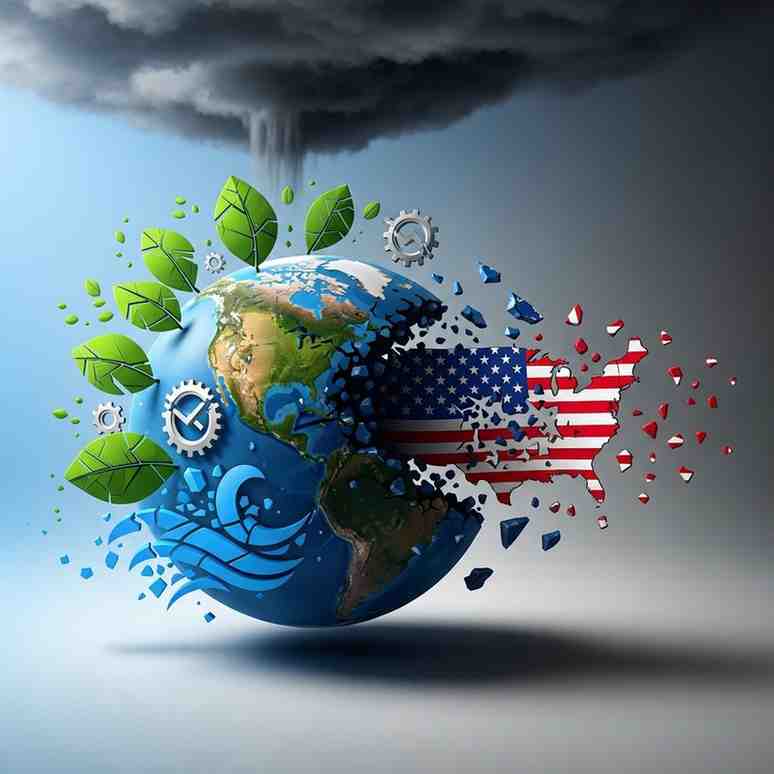
The US decision to withdraw from both the UNFCCC and the IPCC represents a retreat not just from specific agreements, but from the multilateral logic of managing a shared planetary crisis. While global climate action will continue without Washington, its absence from the rule-making table weakens trust, coherence and ambition. In the long run, climate change will not be contained by unilateralism. The episode serves as a stark reminder that effective climate governance depends not only on national policies, but on sustained commitment to global institutions capable of coordinating collective responsibility.
Month: Current Affairs - January 13, 2026
Category: