Discovery Reveals Ancient Tamilagam–Roman Connections
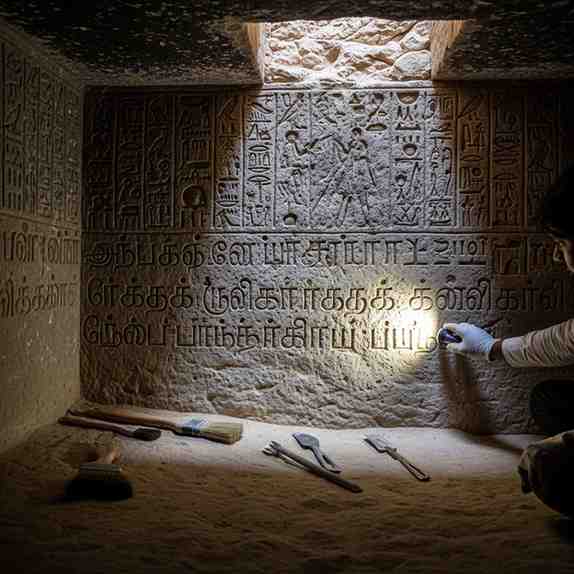
A significant archaeological reassessment has uncovered compelling evidence of early transcontinental interaction between South India and the Mediterranean world. Nearly 30 inscriptions in Tamil-Brahmi, Prakrit, and Sanskrit have been documented within tombs in the Valley of the Kings , dating to the 1st–3rd centuries C.E. The findings emerged from field studies conducted by European researchers during 2024–25.
Multilingual Graffiti Tradition
The inscriptions appear as visitor graffiti, a practice well documented in Egyptian monuments. Earlier scholarship recorded thousands of Greek graffiti marks left by travellers during the Roman period. The newly identified Indian inscriptions integrate into this multilingual landscape, indicating the presence of individuals from the Indian subcontinent who visited the tomb complex.
Tamil Personal Names and Cultural Markers
One recurring inscriptional name, Cikai Koṟṟaṉ , appears multiple times across different tombs. Linguistic analysis identifies koṟṟaṉ as distinctly Tamil, linked to the semantic field of victory and kingship. Comparable Tamil names have been identified in earlier discoveries at Berenike , a key Red Sea trading port.
Parallels with early Tamil literary sources, including Purananooru , reinforce the interpretation that many visitors likely originated from ancient Tamilagam.
Implications for Trade and Mobility
The discovery expands understanding of Indo-Roman exchanges. While port cities such as Berenike provided material evidence of trade, the Valley of the Kings inscriptions suggest deeper inland mobility. These traces point toward merchant networks, cultural contact, and cross-regional movement beyond purely commercial settings.
Exam-Focused Points
-
Tamil-Brahmi Script: Used from ~3rd century BCE
-
Valley of the Kings: Royal necropolis in Egypt
-
Berenike: Major Indo-Roman trade port
-
Sangam Literature: Early Tamil historical source
-
Evidence supports Indo-Roman maritime trade
Month: Current Affairs - February 13, 2026
Category: Ancient History | Indo-Roman