Overview :
Read about the reported October 2026 governor reshuffle, the six states involved, new appointments, transfers, and key constitutional articles for competitive exams.
President Murmu Appoints 6 Governors 2026
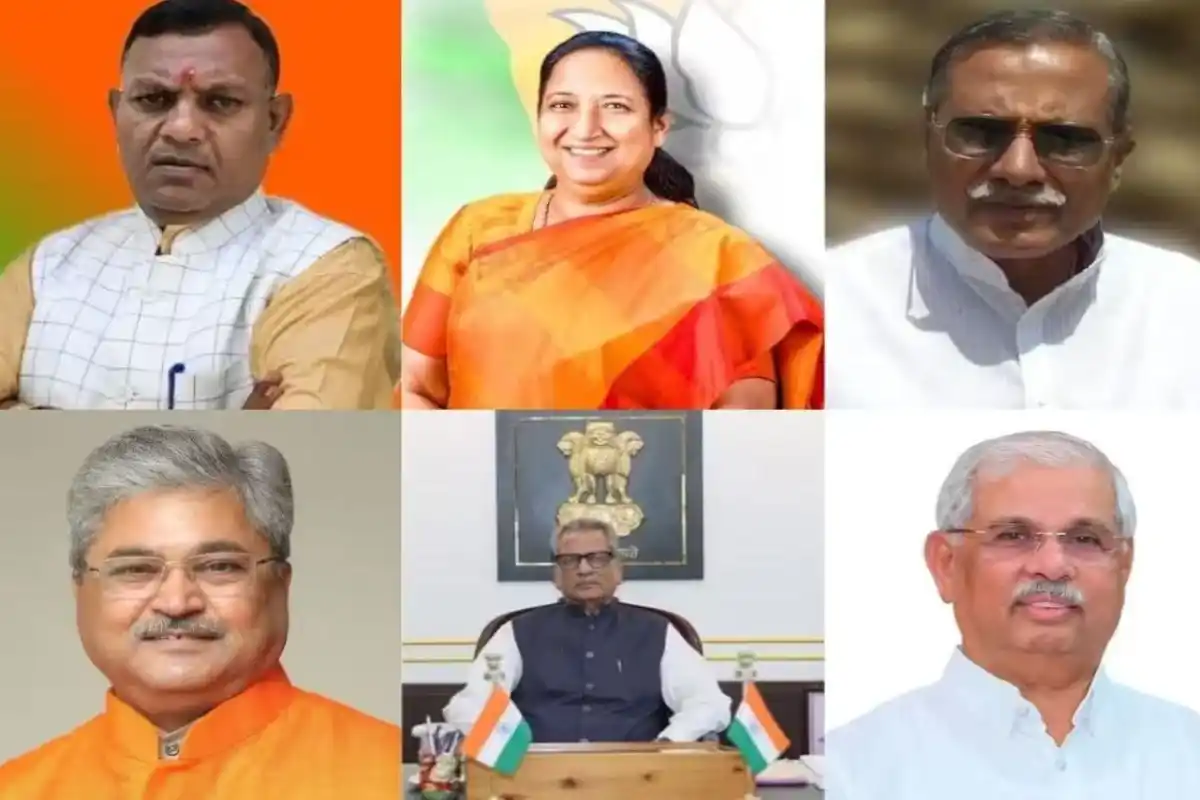
President Droupadi Murmu announced six governor appointments and transfers on 12 October 2026, according to the supplied report. The changes cover Odisha, Karnataka, Uttarakhand, Sikkim, Kerala, and Tamil Nadu. Four people received new appointments, while two serving governors moved to other states. These appointments are important for Indian Polity and competitive exams.
Six Governor Appointments: October 2026
The reported reshuffle includes four new appointments and two transfers. The changes will take effect when the appointees take charge.
| State |
Governor named in the supplied report |
Type of change |
| Odisha |
Braj Mohan Ram |
New appointment |
| Karnataka |
Dr Sudha Yadav |
New appointment |
| Uttarakhand |
Dr Dhal Singh Bisen |
New appointment |
| Sikkim |
Dushyant Gautam |
New appointment |
| Kerala |
Om Prakash Mathur |
Transfer from Sikkim |
| Tamil Nadu |
Rajendra Vishwanath Arlekar |
Transfer from Kerala |
These changes affect six states. For exam preparation, remember both the names and the states linked to each appointment.
Constitutional Provisions Related to Governors
Part VI of the Constitution of India deals with state governments. The Governor serves as the constitutional head of a state and performs duties under the Constitution.
Several constitutional articles explain the Governor’s appointment, powers, qualifications, and role.
| Article |
Provision |
| Article 153 |
Provides for a Governor for each state. One person may serve as Governor of two or more states. |
| Article 154 |
Vests the state’s executive power in the Governor. |
| Article 155 |
The President appoints the Governor by warrant under the President’s hand and seal. |
| Article 156 |
Deals with the Governor’s term and the President’s pleasure. |
| Article 157 |
Sets the qualifications for becoming a Governor. |
| Article 158 |
Covers the conditions of the Governor’s office. |
| Article 159 |
Prescribes the Governor’s oath or affirmation. |
| Article 161 |
Gives the Governor certain powers of pardon and other forms of clemency. |
| Article 163 |
Deals with the Council of Ministers that aids and advises the Governor, subject to constitutional provisions. |
| Article 200 |
Covers the Governor’s options on Bills passed by the state legislature. |
Qualifications of a Governor
Article 157 sets two basic qualifications. A person must be an Indian citizen and must have completed 35 years of age.
A Governor does not win office through a public election. The President appoints the Governor under Article 155.
Tenure of a Governor
Article 156 states that a Governor holds office during the pleasure of the President. The normal term is five years from the date the Governor assumes office.
A Governor may continue in office after the five-year period until the successor takes charge. The Constitution also allows one person to serve as Governor of two or more states.
Exam-Focused Points :
-
President of India: Droupadi Murmu.
-
Announcement date: 12 October 2026, according to the supplied report.
-
States covered: Odisha, Karnataka, Uttarakhand, Sikkim, Kerala, and Tamil Nadu.
-
New appointments: Four.
-
Transfers: Om Prakash Mathur moved from Sikkim to Kerala, while Rajendra Vishwanath Arlekar moved from Kerala to Tamil Nadu.
-
Minimum age for Governor: 35 years under Article 157.
-
Appointment and tenure: Article 155 covers appointment; Article 156 covers tenure.
FAQs :
1. Who appoints the Governor of an Indian state?
The President of India appoints the Governor under Article 155.
2. What is the minimum age required to become a Governor?
A person must be at least 35 years old.
3. Which constitutional article deals with the Governor’s tenure?
Article 156.
4. Can one person serve as Governor of two states?
Yes. Article 153 allows one person to serve as Governor of two or more states.
5. Which article deals with the Governor’s action on state Bills?
Article 200.
Month: Current Affairs - Oct 13, 2026
Category: President of India