Overview
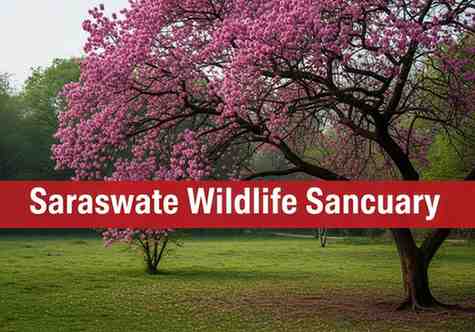
Haryana’s first constellation garden has been developed at the Saraswati Wildlife Sanctuary in the Seonsar forest area of Pehowa. The sanctuary is located in Kaithal and Kurukshetra districts. It spreads over 4,452.85 hectares. This place is special for both nature and history. It is linked to the mythical Saraswati River. It also has ancient bricks from the Kushan and Gupta periods. Now, a constellation garden adds a modern touch for stargazers.
Latest News: Constellation Garden Opens in the Sanctuary
Good news for nature and star lovers. Haryana’s first constellation garden has been set up at the Saraswati Wildlife Sanctuary. It is located in the Seonsar forest area of Pehowa. A constellation garden is a place where people can learn about stars, planets, and night sky patterns. It is built in an open area with markers and information about different constellations. This new attraction will help visitors understand astronomy while enjoying the forest. It also promotes eco-tourism in the region.
Where Is the Sanctuary Located?
The Saraswati Wildlife Sanctuary is also known as the Seonsar Forest. It lies in two districts of Haryana: Kaithal and Kurukshetra. The sanctuary covers an area of about 4,452.85 hectares. That is a very large forest area. It is easily reachable from major cities like Chandigarh and Delhi. The sanctuary is named after the mythical Saraswati River, which is believed to have flowed through this region in ancient times.
Why Is This Sanctuary Culturally Important?
This place is not just a forest. It has deep cultural and historical roots. According to ancient texts, the Saraswati River once flowed here. Many people consider this area holy. But that is not all. Archaeologists have found ancient remains here. Bricks found in the sanctuary date back to the Kushan and Gupta periods. These empires ruled India more than 1,500 years ago. This means people lived here and built structures long ago.
There is also a 400-year-old water well. It is made of small lakhauri bricks. These bricks were commonly used during the Mughal empire era. So the sanctuary has connections to the Mughal period as well. History lovers will find many things to explore here.
What Trees and Plants Grow Here?
The forest has “tropical deciduous forest” vegetation. This means the trees lose their leaves in the dry season. The forest has dense clusters of:
-
Kikar (a thorny tree common in dry areas)
-
Neem (known for its medicinal properties)
-
Shisham (a valuable timber tree)
-
Peepal (a sacred fig tree)
These trees provide shade and food for the animals and birds living here. The forest is green and thick in many parts. It is a good place for a nature walk.
What Animals Live in the Sanctuary?
The Saraswati Wildlife Sanctuary is a critical habitat for many animals. Some of the animals you can find here are:
Month: Current Affairs - May 22, 2026
Category: Geography, Environment