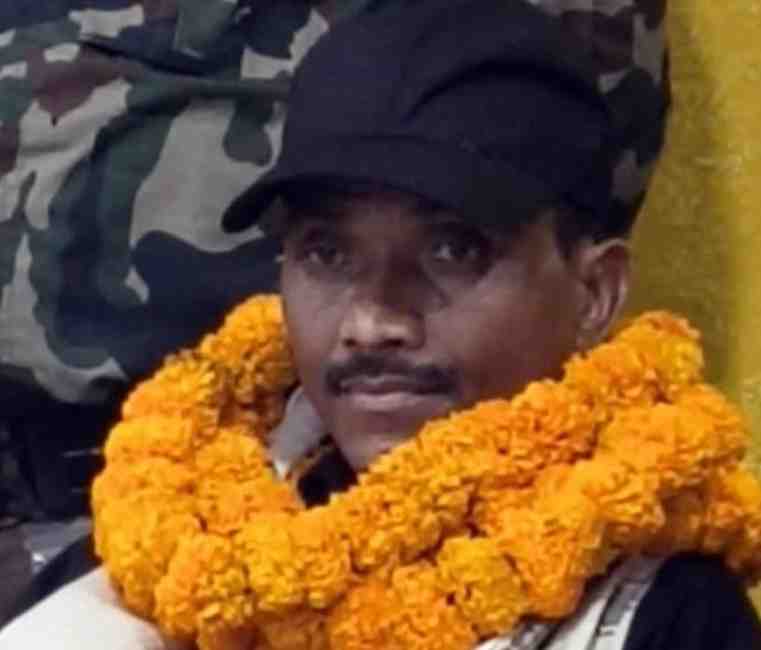
Major Breakthrough in Anti-Maoist Operations
Senior Maoist leader Chelluru Narayana Rao, also known as Somanna, surrendered before Andhra Pradesh Police in Vijayawada. His surrender is seen as a major success for security forces and a setback for Maoist activities in the Andhra-Odisha Border (AOB) region.
Background of the Maoist Leader
Narayana Rao belonged to Srikakulam district of Andhra Pradesh. He was a senior member of the banned CPI (Maoist) and held important positions in the organisation. He was part of the AOB State Committee and also served in the State Military Commission, showing his strong influence in planning and operations.
Role in Maoist Activities
Somanna was the commander of the 3rd Company under the Central Regional Committee. He became more prominent after the deaths of senior Maoist leaders like Gazarla Ravi and Aruna. His leadership helped sustain Maoist operations in the AOB region, which has been a key area for Left Wing Extremism.
Details of the Surrender
The surrender took place in Vijayawada along with several other Maoist cadres from different committees. They also handed over weapons to the police. This step is expected to weaken Maoist networks and strengthen the government’s surrender and rehabilitation policies.
Exam-Focused Points
-
CPI (Maoist): Banned extremist organisation in India
-
AOB Region: Major Maoist activity zone (Andhra-Odisha Border)
-
Strategy: Surrender and rehabilitation policy
-
Srikakulam: Historic Maoist activity area
-
Impact: Weakening of insurgent networks
Impact on Internal Security
The surrender of a senior leader like Somanna can reduce Maoist influence and lower violence in the region. It also shows the success of continuous security operations and government outreach programmes. Such steps are important for long-term peace and development in affected areas.
Month: Current Affairs - March 30, 2026
Category: Internal Security, Left Wing Extremism