Uttar Pradesh’s Kalinjar Region Gains Geo-Heritage Status
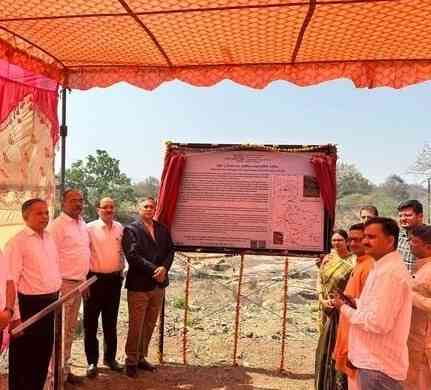
The hill region surrounding Kalinjar Fort in Banda, Uttar Pradesh has been declared a National Geo-Heritage Site by the Geological Survey of India on 16 March 2026. This recognition underscores its unique geological formations along with its rich historical and cultural heritage.
Unique Geological Significance of the Region
The Kalinjar region is notable for exhibiting the rare geological feature known as the Eparchaean Unconformity. This occurs when rock layers from widely separated geological eras come into contact. At Kalinjar, ancient Bundelkhand granite (about 2.5 billion years old) is overlain by Kaimur sandstone (around 1.2 billion years old). This formation offers valuable insights into Earth’s deep geological past and makes the site important for research and geo-tourism.
Geology and Strategic Importance of the Fort
The rugged geological landscape significantly contributed to the fort’s defensive strength. Elevated rocky terrain provided natural protection, while locally sourced stones were used in construction. This demonstrates a strong geo-cultural relationship, where geological features directly influenced architectural design and military strategy.
Historical and Mythological Importance
Kalinjar Fort is also renowned for its cultural and religious significance. It houses the famous Neelkanth Mahadev Temple, associated with the legend of Lord Shiva consuming poison during the Samudra Manthan. The site finds references in Buddhist literature and was once ruled by the Chedi dynasty during the time of Gautama Buddha. It later became part of major empires, including the Mauryan and Gupta periods.
Implications for Conservation and Tourism
The geo-heritage designation is expected to enhance conservation efforts and promote awareness of the site’s significance. The Geological Survey of India has installed informational displays to educate visitors. The move is also likely to boost tourism and integrate Kalinjar into a regional circuit linking Khajuraho and Chitrakoot, supporting local economic development.
Exam-Focused Points
-
Declared National Geo-Heritage Site (16 March 2026) .
-
Located in Banda district, Uttar Pradesh (Vindhya range) .
-
Features Eparchaean Unconformity .
-
Rock layers: Bundelkhand granite (2.5 billion yrs) + Kaimur sandstone (1.2 billion yrs) .
-
Houses Neelkanth Mahadev Temple (Samudra Manthan link).
-
Recognised by Geological Survey of India (GSI) .
-
Promotes geo-tourism and heritage conservation .
Month: Current Affairs - March 19, 2026
Category: Environment, Conservation