Overview :
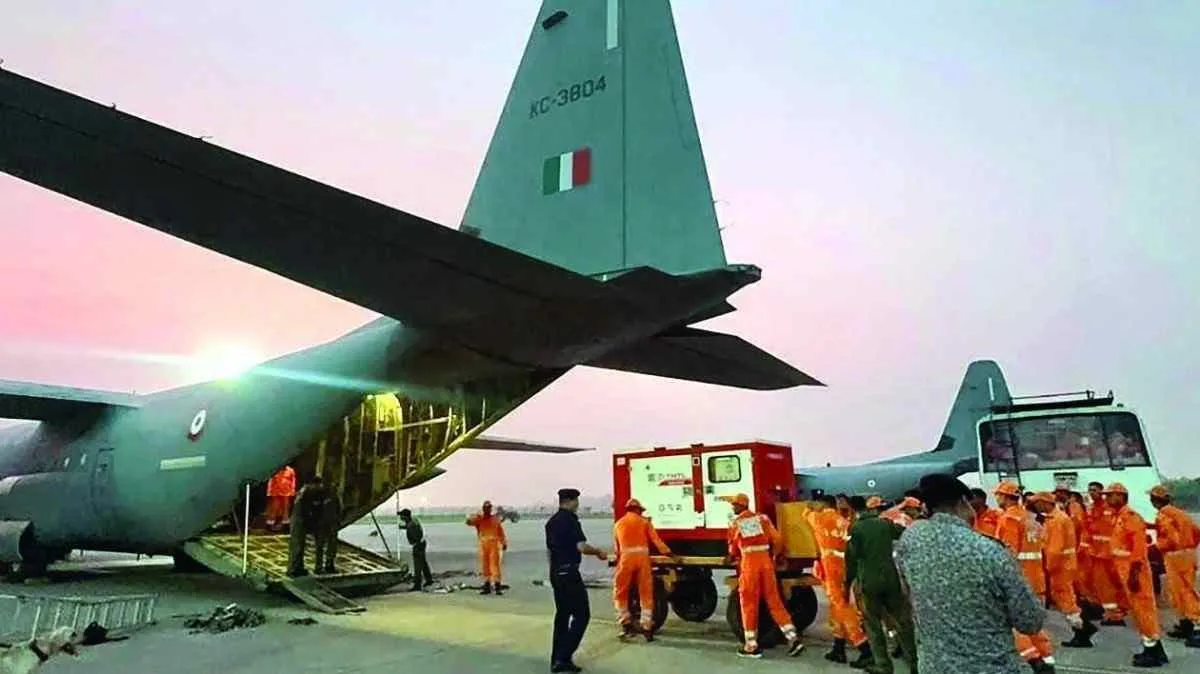
India sent 10 tonnes of relief aid to Nepal on August 26, 2026, following deadly floods that caused loss of life and displacement. The HADR package, delivered by an IAF C-130J aircraft, includes tents, blankets, hygiene kits, solar lamps, and medicines. India also put border states on high alert.
Why India Acted Fast
India is Nepal's first responder in disasters. This is due to geography and strong bilateral ties. The HADR package is a classic example of "Neighbourhood First" policy.
The Disaster
The floods have caused casualties and displaced thousands. Nepal's Prime Minister appealed for unity and rescue efforts.
Strategic Border Alert
Amit Shah's directive to put border states on alert shows India's preparedness for spillover effects.
Significance
This response strengthens India's position as a reliable partner in the region.
Exam-Focused Points :
-
Aid Amount 10 tonnes of HADR (Humanitarian Assistance and Disaster Relief) supplies.
-
Aid Items Tents, blankets, hygiene kits, solar lamps, and medicines.
-
Delivery Mode Indian Air Force C-130J aircraft.
-
Nepal's Request The aid follows Nepal's appeal for international help.
-
Border Alert NDRF and local authorities put on high alert in Bihar and Uttar Pradesh.
-
Medical Support Nepal kept 100 beds at Bir Hospital and the National Trauma Centre for the injured.
-
Indian Citizens Advice issued for Indians stuck in flood-affected areas in Tibet.
FAQs :
Q1: How much aid did India send to Nepal?
10 tonnes of relief supplies.
Q2: What items were included in the aid package?
Tents, blankets, hygiene kits, solar lamps, and medicines.
Q3: Which aircraft delivered the aid?
Indian Air Force C-130J.
Q4: What did Amit Shah do?
He put border states on high alert.
Q5: What is HADR?
Humanitarian Assistance and Disaster Relief.
Month: Current Affairs - Aug 27, 2026
Category: India-Nepal Relations