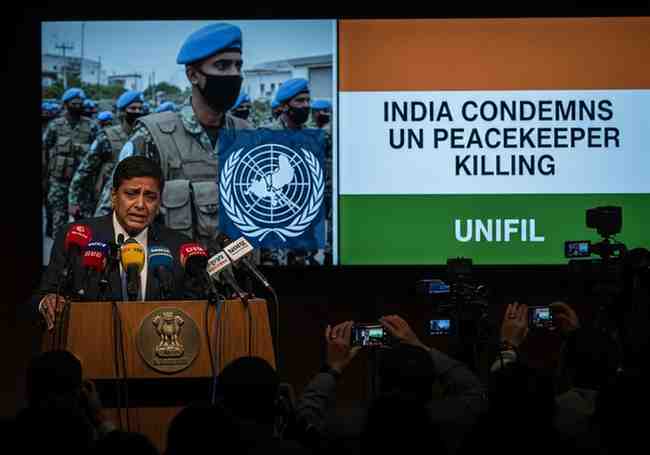
India Expresses Worry Over UN Peacekeepers' Murder
India has expressed concern regarding the murder of three Indonesian peacekeepers operating under the United Nations Interim Force in Lebanon. The incident is a stark reminder of the perils faced by UN forces deployed in areas prone to conflict and serves as a testimony to the significance of peacekeeping missions worldwide.
History and Background of UNIFIL
UNIFIL was formed by the United Nations Security Council in 1978 following the invasion of Lebanon by Israel. Its initial aims were to ensure that Israel withdrew, restore peace, and help the Lebanese government retake control of its territories. UNIFIL has since evolved to meet new regional developments.
Post 2006 War Mandate Expansion
The mandate of UNIFIL was enhanced after the 2006 war between Israel and Hezbollah. Today, it monitors the implementation of ceasefire deals, assists the Lebanese Army, ensures access to humanitarian aid, and protects civilians. It also establishes a demilitarized zone to ease tensions between the conflicting parties.
Composition and Characteristics
UNIFIL presently consists of about 7,500 peacekeepers from 47 nations. It also possesses a Maritime Task Force, which works with Lebanon to secure its coastlines and prevent any illegal transfer of weapons. Nations like India participate in UNIFIL operations with peacekeeping soldiers.
Relevant Points for Exams
- UNIFIL formed in 1978 by UNSC
- Operating in southern Lebanon
- Mandate enhanced after 2006 Israel-Hezbollah war
- Maritime Task Force (naval force) present
- 7,500 peacekeepers from 47 nations
Significance and Challenges
UNIFIL plays an important role in promoting stability in West Asia by serving as a buffer between Israel and Lebanon. Nevertheless, peacekeepers are continuously at risk owing to persistent tensions and insurgent actions in the region.
Month: Current Affairs - April 03, 2026
Category: International Relations