Overview
On 20 May 2026, the United Nations General Assembly passed a resolution on climate change obligations. The vote was 141 in favour, 8 against, and 28 abstentions. India was among the countries that abstained. The resolution referred to a July 2025 advisory opinion from the International Court of Justice (ICJ) on states’ legal duties regarding climate change. India’s abstention reflects its position under the principle of common but differentiated responsibilities.
What Was the UNGA Resolution About?
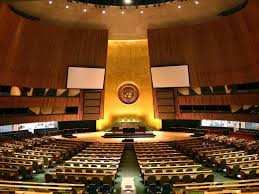
The United Nations General Assembly (UNGA) is the main decision‑making body of the UN. It discusses global issues and passes resolutions. These resolutions are not legally binding, but they show the official position of member states. The resolution passed on 20 May 2026 focused on climate change obligations. It specifically mentioned an advisory opinion given by the International Court of Justice (ICJ) in July 2025. That opinion explained what legal duties countries have to fight climate change.
How Did Countries Vote?
The resolution was adopted with:
-
141 votes in favour
-
8 votes against
-
28 abstentions
India was one of the 28 countries that chose to abstain. The countries that voted against the resolution included:
-
United States
-
Saudi Arabia
-
Russia
-
Israel
-
Iran
-
Yemen
-
Liberia
-
Belarus
UN Secretary‑General António Guterres welcomed the adoption of the resolution.
Why Did India Abstain?
India has always supported climate action. But it also strongly believes in the principle of common but differentiated responsibilities (CBDR). This principle is part of the United Nations Framework Convention on Climate Change (UNFCCC). It says that all countries must fight climate change, but richer countries have a greater responsibility because they have emitted more greenhouse gases in the past. India feels that legal obligations should not be applied equally to developing and developed nations. This is likely the reason for its abstention.
What Is the UNFCCC?
The UNFCCC is the main international treaty on climate change. It was adopted at the Rio Earth Summit in 1992 and came into force in 1994. The principle of common but differentiated responsibilities is at its heart. This principle is used in all climate talks about emissions cuts, finance, and adaptation.
What Is the International Court of Justice?
The ICJ is the principal judicial organ of the United Nations. It is located in The Hague, Netherlands . It gives advisory opinions on legal questions asked by UN bodies. In July 2025, it issued an opinion on states’ legal obligations concerning climate change.
Month: Current Affairs - May 21, 2026
Category: UNGA -ClimateResolution