The development of infrastructure should be enhanced.
There should be more tribal involvement in governance.
Council functioning can also be enhanced through capacity building and administrative reforms.
Summary: Enhancing Tribal Self-Governance.
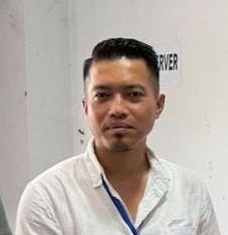
The election of Runiel Debbarma as Chief Executive Member is a significant event to TTAADC.
The council is an important institution in tribal self-governance in Tripura. It not only safeguards cultural identity but also aids in development.
The Sixth Schedule has been instrumental in guaranteeing constitutional safeguarding of tribal groups in North-East India.
Exam-Focused Key Points
- Runiel Debbarma appointed Chief Executive Member of TTAADC
- TTAADC is operated on Sixth Schedule of Constitution.
- Sixth Schedule is applicable to Assam, Meghalaya, Tripura and Mizoram.
- TTAADC controls tribal majority regions in Tripura.
- Some of the powers are land, forests, customs, and village administration.
- Executive committee is headed by chief executive Member.
- The culture of tribes and local government is safeguarded by independent councils.
- Sixth Schedule encourages decentralisation and tribal independence.
Frequently Asked Questions (FAQ)
1. What is TTAADC?
It is the Tripura Tribal Areas Autonomous District Council, an autonomous unit to govern the tribes.
2. In what constitutional provision does TTAADC operate?
It works in accordance with the Sixth Schedule of the Constitution of India.
3. What is the name of the Chief Executive Member TTAADC?
Runiel Debbarma is made the Chief Executive Member.
4. What states are under the Sixth Schedule?
Assam, Meghalaya, Tripura, and Mizoram are covered.
5. What powers do autonomous district councils have?
They are allowed to issue rules concerning land, forests, customs and local government.
Month: Current Affairs - May 06, 2026
Category: Tribal Governance