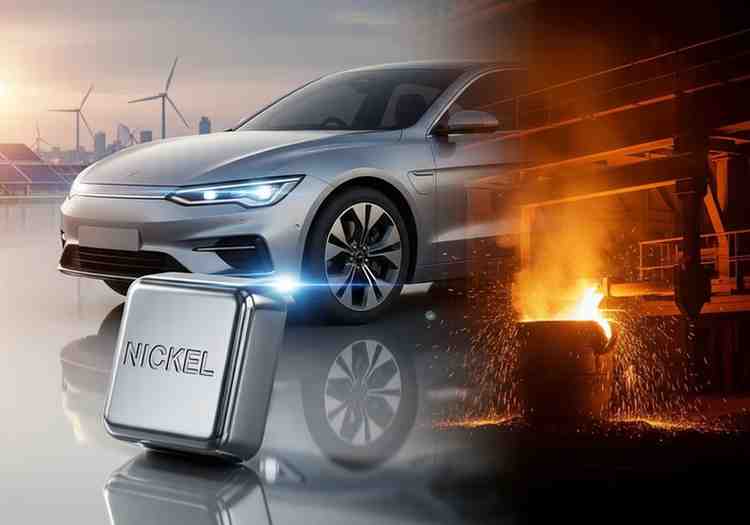
Exam-Focused Points
-
Chemical symbol of nickel: Ni. Atomic number: 28.
-
Nickel belongs to: Transition metals, group 10, period 4.
-
Appearance: Silvery-white, shiny.
-
Fifth-most common element on Earth.
-
Found in: Laterite deposits, soil, water, meteorites.
-
India’s major nickel reserves: Sukinda region, Odisha (lateritic nickel ore).
-
World’s top nickel reserves: Indonesia (22%), Australia (21%), Brazil (17%), Russia (7%), Cuba (6%), Philippines (5%).
-
Key properties: Ductile, tough, corrosion-resistant, magnetic, good conductor.
-
Biggest use: Alloying agent for stainless steel (with chromium).
-
Other uses: EV batteries, nickel-cadmium batteries, nickel-metal hydride batteries, electroplating.
-
Current issue: Rising nickel prices and supply uncertainty due to West Asia war.
-
India’s import dependence: High; imports from Indonesia, Australia, Russia.
Frequently Asked Questions (FAQ)
Q1: What type of nickel ore is found in Sukinda, Odisha?
A: Lateritic nickel ore. Sukinda is one of India’s largest laterite deposits.
Q2: Which country has the largest nickel reserves in the world?
A: Indonesia, with about 22% of global reserves. Australia and Brazil are next.
Q3: Why is nickel important for electric vehicles?
A: Nickel is used in batteries for electric vehicles. It helps increase energy density and range. Nickel-metal hydride and lithium-ion batteries both use nickel.
Q4: Why are nickel prices rising in 2026?
A: The West Asia war has disrupted supply routes. Shipping costs are higher. Russia faces sanctions. Indonesia has export restrictions. All these factors push prices up.
Q5: What is the most common use of nickel?
A: The biggest use is in making stainless steel. Nickel is added to chromium and steel to produce rust-resistant stainless steel.
Month: Current Affairs - May 31, 2026
Category: NickelMetal-EVBatteries