OVERVIEW
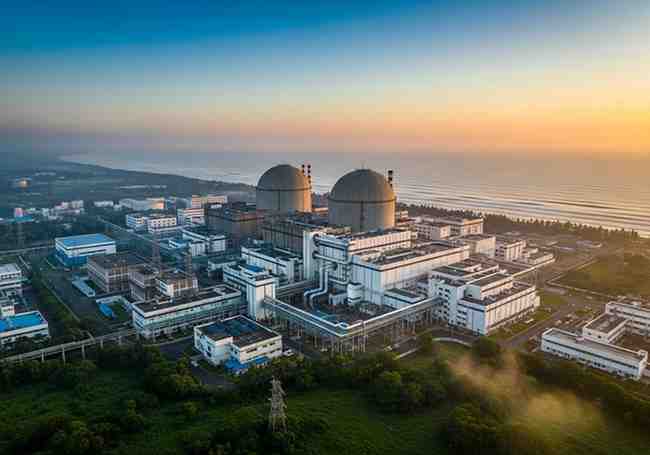
India’s nuclear safety regulator gave good news on 7 May 2026. The Atomic Energy Regulatory Board (AERB) approved the restart of Unit-2 at Tarapur Atomic Power Station in Maharashtra. This unit can now run for another 10 years. The plant went through major safety upgrades and refurbishment. The first unit was cleared earlier in December 2025. Both units are India’s oldest boiling water reactors.
LATEST APPROVAL BY AERB
On 7 May 2026, the Atomic Energy Regulatory Board (AERB) said yes to restarting Unit-2 of the Tarapur Atomic Power Station (TAPS). The board also allowed the unit to keep operating for ten more years. This approval came after a careful review. The Nuclear Power Corporation of India Limited (NPCIL) carried out a major refurbishment and safety upgrade programme at the plant.
WHAT HAPPENED AT THE AERB MEETING?
The AERB board held a meeting on 6 May 2026. Members looked at many things before giving permission. They checked:
-
The refurbishment work done at Unit-2
-
All safety upgrades completed
-
Findings from their own inspections
-
Technical assessments by experts
After studying everything carefully, they approved the restart the next day. The AERB will now keep watching the safety performance of both Tarapur Units 1 and 2.
ABOUT TARAPUR ATOMIC POWER STATION
Tarapur Atomic Power Station is a famous place in India’s nuclear history. Here are the key facts:
-
Location: Near Boisar in Palghar district, Maharashtra
-
Units 1 and 2: India’s first boiling water reactors (BWRs)
-
Start date: Both units began commercial operation in 1969
-
Unit-1 status: Cleared for restart in December 2025, now running at its full capacity of 160 MWe
-
Unit-2 status: Approved on 7 May 2026 for restart and ten more years of operation
WHAT REFURBISHMENT WAS DONE?
Unit-2 received many important upgrades. The work included:
Complete replacement of piping: The old reactor coolant recirculation piping was taken out. New pipes made of advanced corrosion-resistant stainless steel forged piping and fittings were installed.
New safety systems added:
These systems make the plant much safer than before.
WHAT DOES AERB DO?
The Atomic Energy Regulatory Board is India’s nuclear safety regulator. Its job is to make sure all nuclear facilities in India run safely. The board checks plants, approves upgrades, and monitors performance.
Month: Current Affairs - May 12, 2026
Category: TarapurAtomicPowerStation