| Energy production becomes costlier. |
| Supply Chains |
Delivery and storage costs rise. |
| Fertiliser and Chemical Industries |
Petroleum-linked industries face higher raw material costs. |
Because fuel is used in many sectors, inflation spreads quickly across the economy.
Possible Impact on RBI Policy
The rise in inflation may influence future decisions of the Reserve Bank of India.
The RBI monitors inflation while deciding:
- Interest rates
- Monetary policy
- Liquidity management
Persistent inflation can affect economic growth and consumer spending.
Important Exam-Focused Points
Key Facts for Exams
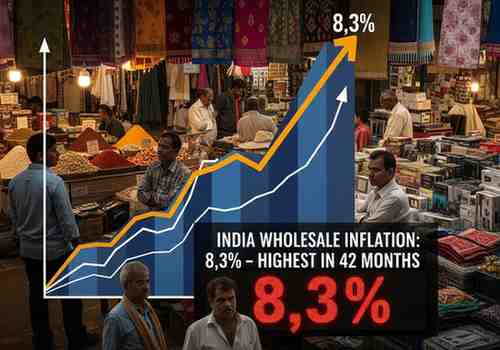
- India’s WPI inflation reached 8.3% in April 2026.
- Fuel and power inflation rose to 24.71%.
- Petrol inflation reached 32.40%.
- Diesel inflation reached 25.19%.
- LPG inflation stood at 10.92%.
- Manufactured products hold more than 64% weight in WPI.
- WPI measures inflation at the wholesale level.
- Rising crude oil prices were linked to tensions in West Asia.
FAQ
1. What was India’s WPI inflation rate in April 2026?
India recorded 8.3% wholesale inflation in April 2026.
2. What does WPI measure?
WPI measures inflation at the wholesale or producer level.
3. Which category recorded the biggest rise in inflation?
The fuel and power segment recorded the biggest rise.
4. Why did fuel prices rise sharply?
Fuel prices increased because of higher global crude oil prices during tensions in West Asia.
5. Why is high wholesale inflation important?
High wholesale inflation increases business costs and may later raise retail prices for consumers.
Month: Current Affairs - May 16, 2026
Category: Economy | Inflation