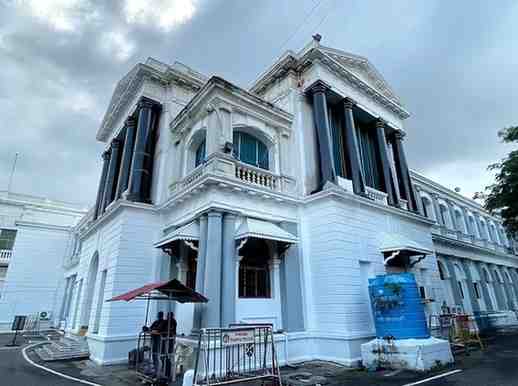
A Human Touch: Walking Through History
Imagine walking through the gates of Fort St. George. On one side, you see a 400-year-old church. On the other side, you see the office of the Chief Minister. A security guard tells you that his grandfather also worked in this fort. A schoolgirl sits on a bench, eating her lunch, next to a canon from the 18th century. This is the magic of Fort St. George. History is not locked away in glass cases. It lives and breathes around you. The fort connects generations. It reminds us that the past is never truly gone. It is all around us.
Exam-Focused Points
| Topic |
Key Details |
| Name |
Fort St. George |
| Location |
Chennai, Tamil Nadu |
| Built by |
British East India Company |
| Year of construction |
1644 |
| Significance |
First English fortress in India |
| Purpose |
Trading base and defensive outpost |
| Material |
Brick and stone |
| Shape |
Rectangular with strong gates |
| Oldest Anglican church in India |
St. Mary’s Church (inside the fort) |
| Museum |
Fort Museum (displays colonial artifacts) |
| Historical role |
Nucleus of Madras, which grew into modern Chennai |
| Current role |
Administrative centre of Tamil Nadu (Secretariat, Legislative Assembly, other government offices) |
FAQs
Q1: Where is Fort St. George located?
Ans: It is located in Chennai, Tamil Nadu.
Q2: Who built Fort St. George and when?
Ans: The British East India Company built it in 1644.
Q3: Why is Fort St. George historically important?
Ans: It was the first English fortress in India and served as the nucleus of Madras, which later became modern Chennai.
Q4: Which is the oldest Anglican church in India?
Ans: St. Mary’s Church, located inside Fort St. George.
Month: Current Affairs - May 24, 2026
Category: History, Art - Culture